
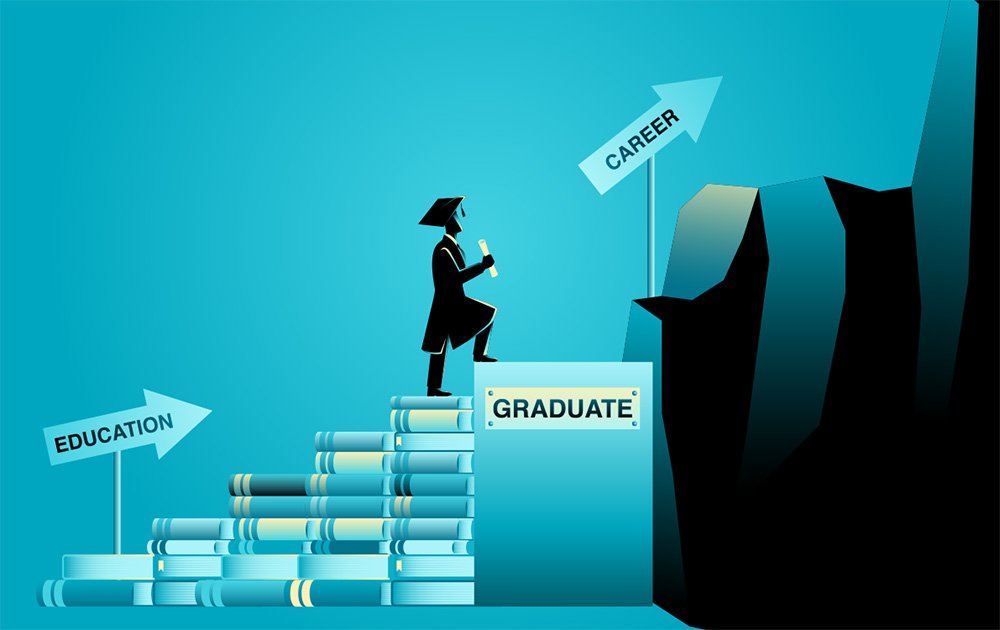
Education plays an important role in shaping professional opportunities and helping individuals achieve their career goals. In a competitive and rapidly changing job market, gaining knowledge and developing practical abilities can make a meaningful difference in long-term career development. While professional success depends on many factors, education provides a foundation that helps people understand their chosen industries, improve their skills, and make informed decisions about their futures.
From formal university degrees to professional certifications and independent learning, educational experiences can prepare individuals for different responsibilities. Understanding how education contributes to career growth can help students and professionals make better decisions about their personal and professional development.
Building a Strong Foundation of Knowledge
One of the primary purposes of education is to provide individuals with the knowledge needed to understand specific subjects and professional fields.
Schools, colleges, and universities introduce students to essential concepts while helping them develop analytical and communication skills. These foundations can support further learning and prepare individuals for more specialized responsibilities.
For example, students studying business administration learn about management, finance, marketing, and organizational behavior. Those pursuing engineering explore mathematics, scientific principles, and technical problem-solving.
This academic foundation helps learners understand the theories and practices relevant to their future professions. It also gives them the confidence to explore more advanced subjects as their interests develop.
Although academic knowledge alone does not guarantee professional success, it can provide valuable preparation for entering the workforce.
Developing Practical Skills for the Workplace
Modern employers often look for candidates who can apply their knowledge to real-world situations. Practical skills are therefore an important part of career preparation.
Educational institutions can help students develop these abilities through laboratory experiments, internships, research assignments, workshops, and project-based learning.
For instance, students studying computer science may gain experience by developing software applications or creating websites. Business students might work on marketing campaigns or analyze realistic business cases.
These activities encourage learners to move beyond theoretical understanding and gain experience with practical challenges.
Communication, teamwork, time management, and problem-solving are also valuable workplace skills. Group projects and presentations provide opportunities to strengthen these abilities before students enter professional environments.
Exploring Different Career Opportunities
Education can help individuals discover career paths they may not have considered previously.
During their academic journeys, students encounter different subjects, professional perspectives, and opportunities to explore their interests. These experiences can influence decisions about future employment and further education.
A student studying environmental science, for example, might become interested in renewable energy, environmental consulting, conservation, or sustainability management.
Similarly, someone studying information technology could explore software development, cybersecurity, cloud computing, or technical support.
Career guidance programs, university events, industry presentations, and internships can help learners understand the responsibilities associated with different professions.
Exploring several possibilities before making important career decisions can reduce uncertainty and help individuals identify suitable professional goals.
The Importance of Higher Education
Higher education can provide specialized knowledge and qualifications required for certain professions.
University programs allow students to examine complex subjects, participate in academic research, and develop expertise in their chosen disciplines.
Fields such as medicine, engineering, architecture, and scientific research often require extensive formal education because professionals must understand specialized theories, technical standards, and ethical responsibilities.
Higher education can also encourage intellectual independence. Students are frequently expected to evaluate research, develop arguments, and complete assignments that require independent investigation.
However, a university degree is not the only route to a successful career. Vocational training, apprenticeships, professional certifications, and practical experience can also provide valuable preparation for many occupations.
The most suitable educational pathway depends on an individual’s interests, career objectives, and the requirements of their chosen industry.
Building Professional Networks
Educational environments create opportunities to develop relationships that may become valuable throughout a professional career.
Students interact with teachers, classmates, academic researchers, industry professionals, and visiting speakers. These connections can introduce learners to new ideas and professional opportunities.
Participating in university clubs, academic conferences, workshops, and collaborative projects can help students develop communication skills and establish meaningful relationships.
Professional networking is not simply about finding employment. It also involves exchanging knowledge, receiving guidance, and learning from people with different experiences.
Mentors can be particularly valuable because they may offer practical advice about career planning, professional expectations, and overcoming common workplace challenges.
Maintaining professional relationships with honesty and mutual respect can support long-term development.
Preparing for a Changing Job Market
The modern employment landscape is constantly influenced by technological innovation, economic developments, and changing business needs.
Automation and artificial intelligence are transforming certain job responsibilities, while emerging industries are creating new opportunities.
Education helps individuals prepare for these developments by strengthening their ability to learn, adapt, and evaluate unfamiliar information.
Students who combine subject knowledge with digital literacy, analytical reasoning, and communication skills may be better prepared to respond to changing professional expectations.
Continuous learning is also important after graduation. Professionals may need to update their technical knowledge, pursue additional qualifications, or develop new abilities as their responsibilities evolve.
A willingness to learn throughout a career can help individuals remain flexible when industries and workplace practices change.
Developing Confidence and Decision-Making Abilities
Education can improve confidence by helping individuals understand their strengths and develop the skills needed to approach unfamiliar challenges.
Completing demanding assignments, participating in discussions, and presenting research can gradually improve communication and self-confidence.
Educational experiences also encourage thoughtful decision-making. Students learn to collect information, evaluate evidence, compare alternatives, and explain their conclusions.
These abilities are useful when choosing a career path, managing professional responsibilities, or considering opportunities for advancement.
Confidence should not be confused with knowing everything. Successful professionals recognize their limitations, ask meaningful questions, and remain open to feedback.
Education can help establish this balanced approach by encouraging curiosity and continuous improvement.
The Role of Technology in Career Development
Technology has expanded the range of educational opportunities available to students and working professionals.
Online courses, virtual workshops, digital libraries, and professional learning platforms allow individuals to develop skills without always attending traditional classes.
A marketing professional might study search engine optimization, while an aspiring developer could learn a new programming language through practical online exercises.
Digital platforms can also help learners explore international professional communities and gain exposure to industry trends.
However, students should carefully evaluate the quality and relevance of online courses before investing time or money.
Combining digital learning with practical experience can make career development more effective and help individuals demonstrate their abilities to potential employers.
Balancing Education With Real-World Experience
Academic knowledge becomes more valuable when individuals have opportunities to apply it.
Internships, part-time employment, volunteer activities, freelance projects, and industry placements can provide useful exposure to professional environments.
These experiences help learners understand workplace expectations, develop practical judgment, and identify areas where additional training may be beneficial.
For example, a student interested in journalism might contribute to a university publication or create a portfolio of original articles. Someone pursuing a career in business could participate in student entrepreneurship programs.
Real-world experience also teaches lessons that may be difficult to understand through textbooks alone, including workplace communication, professional responsibility, and managing unexpected challenges.
Combining education with practical opportunities can create a more complete foundation for professional growth.
Conclusion
Education plays a valuable role in career development by providing foundational knowledge, strengthening practical abilities, and helping individuals explore professional opportunities. It also encourages independent thinking, confidence, communication, and adaptability.
However, a successful career rarely depends on qualifications alone. Practical experience, professional relationships, continuous learning, and personal commitment are equally important elements of long-term progress.
By choosing educational opportunities that align with their interests and goals, students and professionals can build a stronger foundation for the future. In a changing employment landscape, the ability to combine knowledge with real-world skills remains one of the most valuable advantages education can provide.
